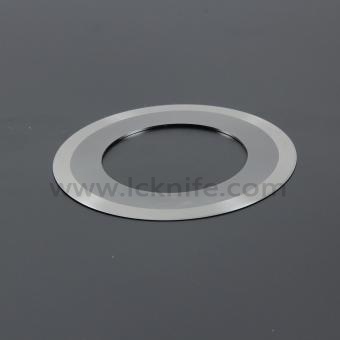
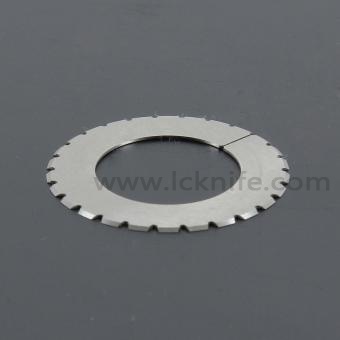
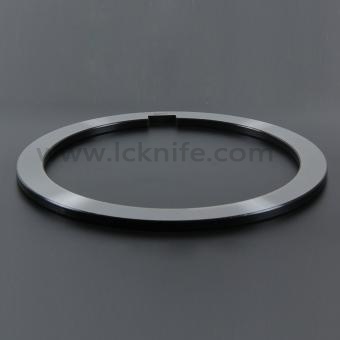
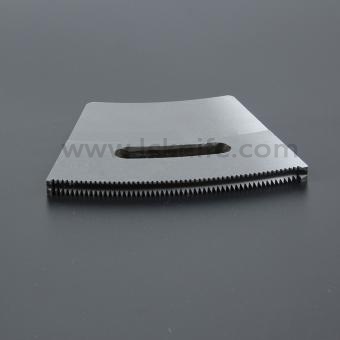
Nella lavorazione e produzione dei metalli, la durata di servizio e la stabilità dilame di tagliosono fattori determinanti per l'efficienza produttiva e i costi operativi. Per soddisfare le esigenze di taglio di lamiere di acciaio Q345 di spessore compreso tra 6 e 8 mm, Licheng Blade ha sviluppato lame per cesoie ad alte prestazioni utilizzando il nuovo acciaio per stampi a freddo LD, frutto di un'approfondita ricerca sull'applicazione finale e sull'innovazione dei materiali. Gli utilizzatori finali dimostrano che queste lame offrono una durata di servizio quadrupla rispetto ai tradizionali acciai per stampi a freddo come l'SKD11, agli acciai per stampi a caldo come l'H13 e all'acciaio rapido W6Mo5Cr4V2, risolvendo così le problematiche di lunga data legate alla scheggiatura delle lame, alla durata limitata e alle difficoltà di riaffilatura.
1. Principali problemi delle lame per cesoie realizzate con materiali tradizionali
Le lame tradizionali per cesoie sono state testate con vari acciai per stampi e acciai rapidi, ma la produzione pratica continua a rivelare problemi che incidono negativamente su efficienza, precisione e costi.
Design dei bordi e limitazioni d'uso:
I. Angolo di inclinazione vs. resistenza: Quando si tratta di tagliare con un coltello, come con un paio di forbici, un angolo più piccolo taglia più nitidamente ma riduce la resistenza e la durata, mentre un angolo eccessivo aumenta la resistenza. Gli angoli delle lame generalmente variano da 80° a 90°, con 90° solitamente scelto per massimizzare il numero di taglienti disponibili.
II. Intervallo dell'angolo di sovrapposizione: l'angolo compreso tra i due bordi durante il taglio trasversale è di 0–10 gradi, mentre le lame del taglierino longitudinale si intersecano ortogonalmente.
III. Profondità di taglio e spazio libero: L'ingaggio del tagliente richiede un equilibrio tra aderenza e profondità. Lo spazio libero e la profondità influiscono sulla sezione trasversale tagliata e sulla durata della lama e devono essere analizzati in base al metodo di taglio, alle dimensioni dell'utensile e allo spessore della lamiera.
IV. Progettazione della radice di taglio: un'altezza errata della radice di taglio compromette il tagliente della lama. Le lamiere più spesse generalmente richiedono lame più grandi e lo spessore di progetto dovrebbe essere almeno tre volte lo spessore del materiale. Se il diametro esterno o la larghezza della lama sono maggiori del previsto, questa proporzione può essere ridotta di conseguenza.
Sfide di produzione e di processo: selezione dei materiali, forgiatura, trattamento termico e rettifica. Questi processi complessi si basano in larga misura su una vasta esperienza produttiva.
Problemi operativi:
I. Smussatura e usura: La bassa resistenza alla fatica porta all'usura dei bordi e a scheggiature localizzate, richiedendo la frequente sostituzione o rimozione di ampi strati di materiale sottoposto a fatica, il che riduce drasticamente la produttività.
II. Frattura fragile: Questa è la modalità di rottura più grave nella lavorazione delle lame. Mentre la rottura per fatica indica una scarsa resistenza all'usura, la frattura fragile può causare interruzioni catastrofiche nella produzione di lamiere d'acciaio o incidenti di sicurezza ed è strettamente legata alla scelta del materiale.
2. Soluzione innovativa: i vantaggi dell'acciaio per stampi LD
Quando si tagliano lamiere spesse come l'acciaio strutturale a bassa lega e alta resistenza Q345 da 6-8 mm, le lame di taglio devono resistere a carichi d'impatto estremi e forze di taglio per attrito. In precedenza, la scelta del materiale privilegiava l'acciaio rapido M2 o l'acciaio per stampi SKD11, ma questi materiali convenzionali non erano in grado di soddisfare pienamente le condizioni di lavoro.
Acciaio rapido W6: Sebbene offra elevata durezza e durezza rossa per il taglio o la tranciatura, la sua insufficiente tenacità provoca la scheggiatura del filo della lama in caso di intensi impatti ciclici da parte di lamiere spesse.
Acciaio SKD11: pur offrendo una buona resistenza all'usura, la sua tenacità all'impatto non è sufficiente a soddisfare le esigenze di taglio continuo di lamiere spesse, causando spesso guasti prematuri agli utensili.
Dal punto di vista della selezione dei materiali, questi metalli convenzionali sono di qualità superiore, ma i loro parametri prestazionali non corrispondono pienamente alle effettive modalità di rottura in condizioni di lavoro. Per risolvere questo problema, il team tecnico di Licheng Blade ha scelto l'acciaio per stampi a freddo ad alta lega LD (7Cr7Mo2V2Si) come soluzione principale.
L'acciaio LD combina un'elevata resistenza all'usura con un'elevata tenacità:
Resistenza superiore: la sua resistenza agli urti supera quella dei tradizionali acciai per stampi a freddo e degli acciai rapidi, contribuendo a resistere a forti shock meccanici durante la tranciatura di lamiere spesse e a prevenire scheggiature sui bordi.
Eccezionale resistenza all'usura: l'adeguata composizione in carbonio e leghe garantisce prestazioni antiusura costanti durante le operazioni di taglio continue.
Inoltre, LCKNIFE seleziona materiale LD di alta qualità proveniente da acciaierie, come l'acciaio LD di prima qualità rifuso mediante elettroslag (ESR), con un contenuto minimo di elementi nocivi quali zolfo e fosforo, e con inclusioni e difetti di segregazione eliminati. Le materie prime vengono selezionate con dimensioni inferiori a quelle della lama finita per imporre un rigoroso rapporto di forgiatura durante la formazione del grezzo. La validazione sul campo conferma che le lame in acciaio LD raggiungono una durata fino a 4 volte superiore rispetto all'acciaio rapido W6.
3. Analisi del processo di trattamento termico del nucleo
Il materiale di alta qualità delle lame richiede precisi trattamenti termici per rivelare appieno le sue caratteristiche. Per le lame da taglio, LCKNIFE ha definito una specifica di trattamento termico ottimale per il materiale LD, come di seguito riportato:
Riscaldamento e mantenimento: riscaldare il materiale LD a 1150℃ e mantenerlo a tale temperatura per ottenere la completa austenitizzazione.
Preraffreddamento e tempra: Preraffreddare la lama grezza a 1100℃ prima della tempra in olio per garantire una microstruttura martensitica ideale e la durezza desiderata.
Tempra multipla: almeno tre cicli di tempra a 560–570℃ per i coltelli. Una tempra sufficiente allevia le tensioni residue interne nei coltelli, promuove l'indurimento secondario attraverso la precipitazione dispersa di carburi di lega e migliora la stabilità microstrutturale e la resistenza alla fatica termica.
Durezza finale: stabilizzata nell'intervallo HRC 58–60, raggiungendo un equilibrio ottimale tra resistenza e tenacità alla tranciatura.
4. Prestazioni nell'applicazione pratica
Utilizzate in linee di produzione attive, le lame per taglierine in acciaio Licheng LD, abbinate a un trattamento termico ottimizzato, dimostrano una durata eccezionale:
Svolta nel taglio: dopo un prolungato taglio continuo, l'ispezione ha rivelato solo una leggera usura dei bordi e nessuna scheggiatura.
Elevata manutenibilità: l'usura uniforme e l'integrità strutturale della superficie della lama consentono una rapida riaffilatura per ripristinare le condizioni di taglio, riducendo la perdita di utensili e i costi operativi complessivi.
Questa innovazione offre significativi vantaggi economici per gli utenti industriali, confermando al contempo l'acciaio LD come materiale affidabile e soluzione di miglioramento del processo per gli utensili da taglio di lamiere spesse.
Maanshan Licheng Blade Manufacturing Co., Ltd.utilizza una gamma di materiali di alta qualità e adatti, insieme a trattamenti termici avanzati, tra cui trattamento termico sottovuoto, trattamento a temperature sotto zero e trattamento in bagno di sale, per produrre lame di cesoia in acciaio ad alte prestazioni. Per ulteriori informazioni su lamiere in acciaio inossidabile, acciaio al silicio, alluminio e rame, consultare la sezione dedicata.


 IPv6 rete supportati