Scegliere le giuste attrezzature da cucina professionale è un fattore critico per massimizzare la resa degli alimenti e ridurre gli sprechi. Per gastronomie, ristoranti e macellerie, il dibattito tra lame seghettate vs. lisce lame per affettatrice di carne
Sebbene entrambi i tipi di lama abbiano un ruolo nella preparazione degli alimenti, i dati recenti del settore evidenziano differenze di prestazione distinte a seconda del prodotto da affettare.
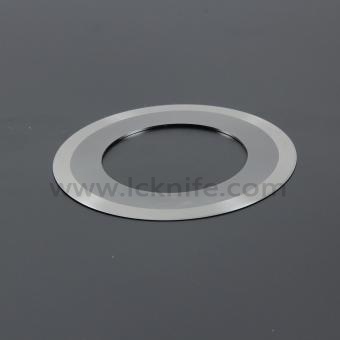
Per una precisione ultra-sottile e affilata come un rasoio, lame per affettatrice di carne lisce (spesso indicate come lame a filo liscio) sono lo standard del settore. Sono progettate in modo esclusivo per tagli netti attraverso carni magre, come petto di tacchino, prosciutto e roast beef, senza lacerare il prodotto.
Ideali per: salumi, carne bovina cruda, carpaccio e formaggi a pasta dura.
Vantaggio: Riduce al minimo l'attrito, diminuisce lo sfilacciamento degli alimenti e produce fette belle, sottili come carta, che migliorano la presentazione e il controllo delle porzioni.
Manutenzione: Richiede un'affilatura regolare utilizzando un affilatore integrato o esterno per mantenere il filo come un rasoio.
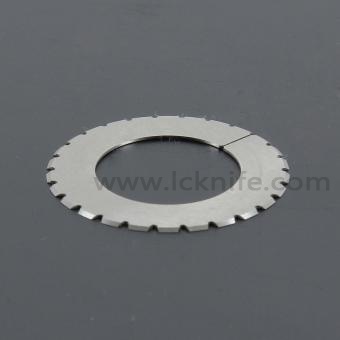
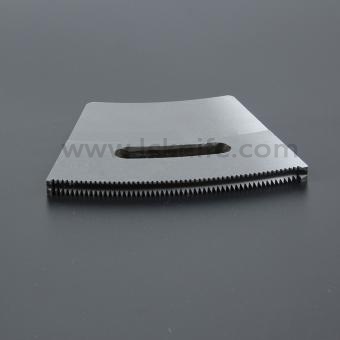
Al contrario, lame per affettatrice di carne seghettate presentano un bordo dentellato e a forma di denti progettato per segare attraverso superfici esterne resistenti proteggendo al tempo stesso l'interno delicato.
Ideali per: pane artigianale con crosta dura, carni fibrose (come carne in scatola o jerky) e verdure dense come i pomodori.
Vantaggio: I denti perforano facilmente croste dure o tessuti resistenti senza schiacciare il cibo sottostante.
Manutenzione: Estremamente durevoli e mantengono il filo più a lungo rispetto alle lame lisce, anche se generalmente richiedono un'affilatura professionale specializzata.
Ma'anshan Licheng Blade Manufactory


 IPv6 rete supportati
 Scansione di wechat: